Tampa tap water is technically safe to drink. It meets EPA and Florida Department of Environmental Protection standards according to the most recent Tampa Bay Water annual quality report. But “safe” and “good” aren’t the same thing — Tampa tap water is hard, often tastes of chlorine, and carries the usual concerns about disinfection byproducts and aging home plumbing. Here’s what’s actually coming out of your tap in 2026, what the data shows, and when it makes sense to drink something else.
Where Tampa’s Tap Water Comes From
Tampa’s drinking water is managed by Tampa Bay Water, the regional wholesale supplier that serves more than 2.5 million people across Hillsborough, Pinellas, and Pasco counties. It blends water from several sources to keep supply stable year-round.
Tampa’s primary sources include:
- The Hillsborough River (Tampa’s main surface water source)
- The Tampa Bypass Canal
- The Alafia River
- Regional groundwater wells
- The Tampa Bay Seawater Desalination Plant in Apollo Beach
After collection, water is treated at the David L. Tippin Water Treatment Facility. Treatment involves coagulation, filtration, disinfection with chloramine (a chlorine and ammonia compound), and pH balancing. The treated water then flows through the city’s distribution system to homes and businesses across Tampa and surrounding areas like Clearwater, St. Petersburg, and Brandon.
Is Tampa Tap Water Safe? What the Data Says
Tampa Bay Water publishes an annual Consumer Confidence Report (also called the Water Quality Report) every spring. The most recent reports show that treated water meets every federal and state standard for regulated contaminants — including lead, copper, total trihalomethanes, haloacetic acids, and microbial limits.
In plain terms: at the treatment plant, Tampa’s tap water passes its tests. The water leaving the Tippin facility is well within legal limits for everything the EPA actively monitors.
That said, two things can change between the plant and your glass: the distribution pipes (city-owned mains and your home’s plumbing) and time. Older homes built before 1986 may still have lead solder or galvanized pipe components, and disinfection byproducts can form as treated water sits in the system. Neither shows up in the city-level data because both happen downstream of the testing point. [INTERNAL LINK: link to AguaPura “about our water” or service page]
Common Concerns with Tampa Tap Water
Even when the water passes its tests, Tampa residents bring up the same handful of complaints year after year.
Hard water. Tampa tap water is moderately to very hard, with calcium and magnesium levels that leave white spots on dishes, build-up on fixtures, and that “filmy” feel after a shower. Hard water isn’t a health risk, but it’s the #1 reason locals across Tampa, Clearwater, and St. Petersburg switch to bottled or filtered drinking water.
Chlorine and chloramine taste. Because Tampa uses chloramine for long-lasting disinfection, the water often carries a faint pool-water smell or aftertaste. Most people stop noticing it after a while, but it’s a frequent reason new Tampa residents complain.
Disinfection byproducts. When chlorine-based disinfectants react with organic material in source water, they form trihalomethanes (THMs) and haloacetic acids (HAAs). These are regulated and tested for, but long-term exposure at higher levels has been linked in some studies to health risks. Tampa’s levels stay under the legal limit, but the limit isn’t zero.
Lead in older plumbing. Tampa Bay Water doesn’t put lead in the water — older home pipes do. Homes built before 1986 across Tampa, Brandon, and parts of St. Petersburg are most at risk, especially if water sits in the pipes overnight. The EPA recommends running cold water for 30 seconds before drinking if you have an older home.
PFAS (“forever chemicals”). These are emerging contaminants now being tested for nationwide. Tampa Bay Water has been monitoring PFAS levels and reports them in the annual report. Levels measured to date have been below the new EPA action thresholds, but this is an evolving area worth watching each year.
How Tampa Tap Water Compares to Clearwater, St. Pete, and Brandon
Most of Tampa Bay shares the same wholesale water source through Tampa Bay Water, but the local utility that delivers to your home varies by city. Clearwater runs its own utility and pulls partly from local wells. St. Petersburg also operates its own treatment and distribution system. Brandon is served by Hillsborough County Public Utilities.
Practically, this means tap water across Tampa, Clearwater, St. Pete, and Brandon all starts from a similar regional supply but ends up with slightly different mineral content, disinfection residuals, and taste depending on which utility treats and pipes it. The big-picture safety profile is similar across the region — and so are the common complaints about hardness and chlorine taste.
When to Consider Bottled Water Delivery in Tampa
For most healthy adults in Tampa, tap water is fine to drink. But there are clear cases where bottled water delivery is worth considering — not out of fear, but for practical reasons.
Bottled water delivery makes the most sense when:
- You live in an older home (pre-1986) with original plumbing and don’t want to test or replace pipes
- You’re pregnant, have a newborn, or are caring for an immunocompromised family member (consult your doctor on specifics)
- You strongly dislike the chlorine taste or hard-water mouthfeel and don’t want to maintain a filtration system
- You run a home office or business and don’t want staff filling water bottles at a chlorinated tap
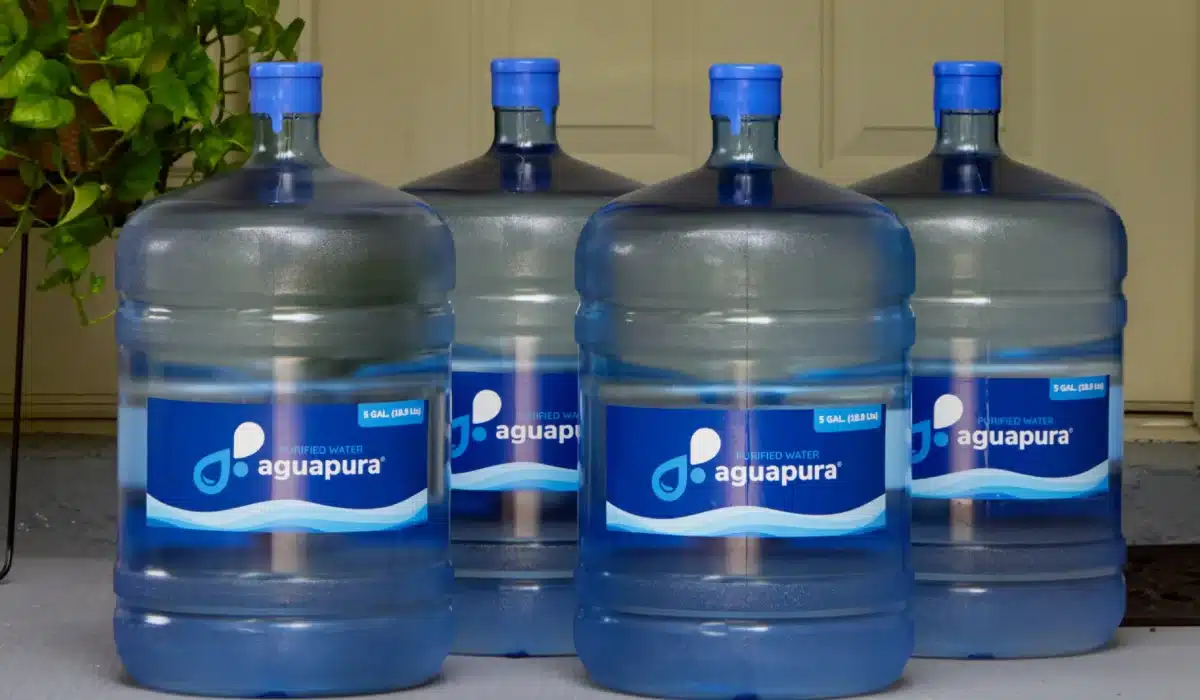
- You’d rather have 5-gallon bottles delivered than haul cases from the store every week
If any of those fit, the next decision is which delivery service to use.
Yes — Tampa tap water meets all EPA and Florida Department of Environmental Protection standards based on the most recent Tampa Bay Water annual quality report. That said, hard water, chlorine taste, and older home plumbing can still affect quality at the tap. Most healthy adults can safely drink it without treatment.
Tampa Bay Water’s treated supply contains no detectable lead at the plant. However, homes built before 1986 may have lead solder or galvanized pipes that can leach trace amounts into the water. The EPA recommends running cold water for 30 seconds before drinking if you live in an older home.
Tampa uses chloramine — a chlorine and ammonia compound — to disinfect drinking water as it travels through the distribution system. Chloramine lasts longer than regular chlorine, which keeps the water safer, but leaves a faint pool-water taste or smell. A carbon filter or 24 hours in an open pitcher will reduce it.
Tampa tap water is moderately to very hard, with high calcium and magnesium content. It leaves white spots on dishes, mineral build-up on faucets, and a filmy feeling on skin. The same hardness shows up across Clearwater, St. Pete, and Brandon since they share the regional water supply. Many residents switch to bottled or softened water for drinking.
Filters work well if you only need to improve taste and don’t mind replacing cartridges every 2 to 6 months. Bottled water delivery is better if you want zero maintenance, consistent quality, and 5-gallon volumes for a whole household or office. Many Tampa families use a small filter for cooking and delivery for drinking.
Want Cleaner Water Without the Filter Hassle?
If you’re past the point of dealing with chlorine taste, hard-water spots, and weekly grocery-store water runs, bottled delivery is the simpler answer. AguaPura delivers 5-gallon water across Tampa, Clearwater, St. Petersburg, and Brandon — family-owned, no contracts, no surprise delivery fees, and trucks that show up when they say they will.
Check your zip code, pick a plan that fits your home or office, and start fresh water delivery in a few minutes. Visit aguapuradelivery.com/start-water-delivery/check-your-area to confirm coverage and order online.